
Vancouver’s plant landscapes, to discover on foot
A documentary guide to Vancouver's botanical collections, landscaped areas, walking routes and green space management practices.
Our Mission and Approach
QUERY LENGTH LIMIT EXCEEDED. MAX ALLOWED QUERY : 500 CHARS
Understanding plant diversity
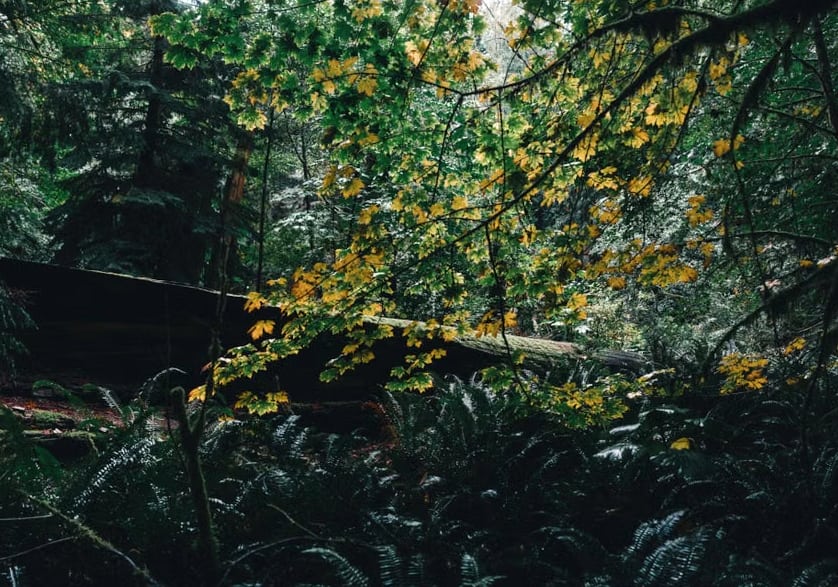
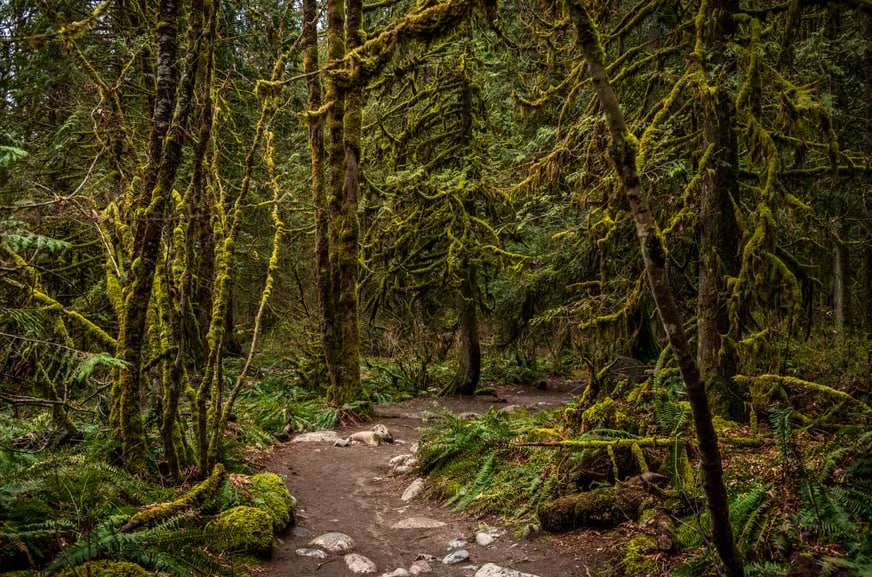
The content provides a framework for recognizing Vancouver's major plant formations, from humid temperate forests to introductory horticultural gardens. They highlight the links between origin of species, adaptation to climate and ecological function.
Prepare an informed walk
Route descriptions make it easier to prepare for a visit by providing guidelines on the duration, the nature of the terrain, the observation points and the equipment likely to be encountered. They encourage respectful use of the environment and other users.
Reading the city as an ecosystem
Observing street trees, gardens, wetlands and green corridors allows us to better understand the role of plant infrastructure. The site thus links landscape aesthetics, thermal regulation, rainwater management and habitat for wildlife.
Frequently Asked Questions
Clear answers to frequently asked questions.
Spring generally highlights the flowering and awakening of many plants, while summer offers a more developed observation of the herbaceous, shrub and tree layers. Fall is particularly good for studying colors, fruits and changes in foliage. Conditions vary depending on altitude, exposure and type of environment; It is therefore advisable to consult the seasonal information of the sites visited.
No, the courses differ by their length, their slope, the quality of the surface and the presence of obstacles or stairs. A sheet may provide general information, but it does not constitute accessibility certification. Visitors should check updated data with the park manager and take into account the weather, their physical condition and their specific needs.
A native species is naturally present in an area without having been introduced by human activity, while an introduced species has been moved, voluntarily or accidentally, out of its area of origin. Status may depend on the source and geographic scale considered. For reliable identification, it is recommended to compare several criteria and consult regional flora or institutional bases.
The rules may prohibit or limit the collection of plants, leaving trails, disturbing wildlife, access to certain areas and the introduction of animals not on a leash. They vary depending on the park, municipality or responsible organization. Signs on site and official regulations always take precedence over general instructions published in a guide.
Plan a documented botanical discovery
Parcourez les dossiers consacrés aux jardins, aux forêts urbaines et aux sentiers de Vancouver afin de préparer une visite attentive aux milieux, aux saisons et aux règles de conservation.
Editorial Scope and Informational Notices
This website is made available to the public for strictly informational, documentary and general guidance purposes. The published content, reviews and analyzes do not constitute personalized legal, financial or professional advice. For any specific support requests, please use the official contact form.
All trademarks and trade names mentioned remain the exclusive property of their respective owners.